
Let’s be real — writing a resume can feel awkward. You’re sitting there trying to describe yourself in a way that sounds confident but not arrogant, professional but still real. And just when you think it’s perfect… no one calls back. Here’s what most people don’t realize: your resume often doesn’t even reach a human being the first time. It’s scanned by software called an Applicant Tracking System (ATS)— and if that system doesn’t find the right keywords, your resume quietly disappears into a digital void. Sounds harsh, right?
But the good news is, once you understand how keywords work — and how to use them authentically— you can make your resume stand out, without sounding robotic.
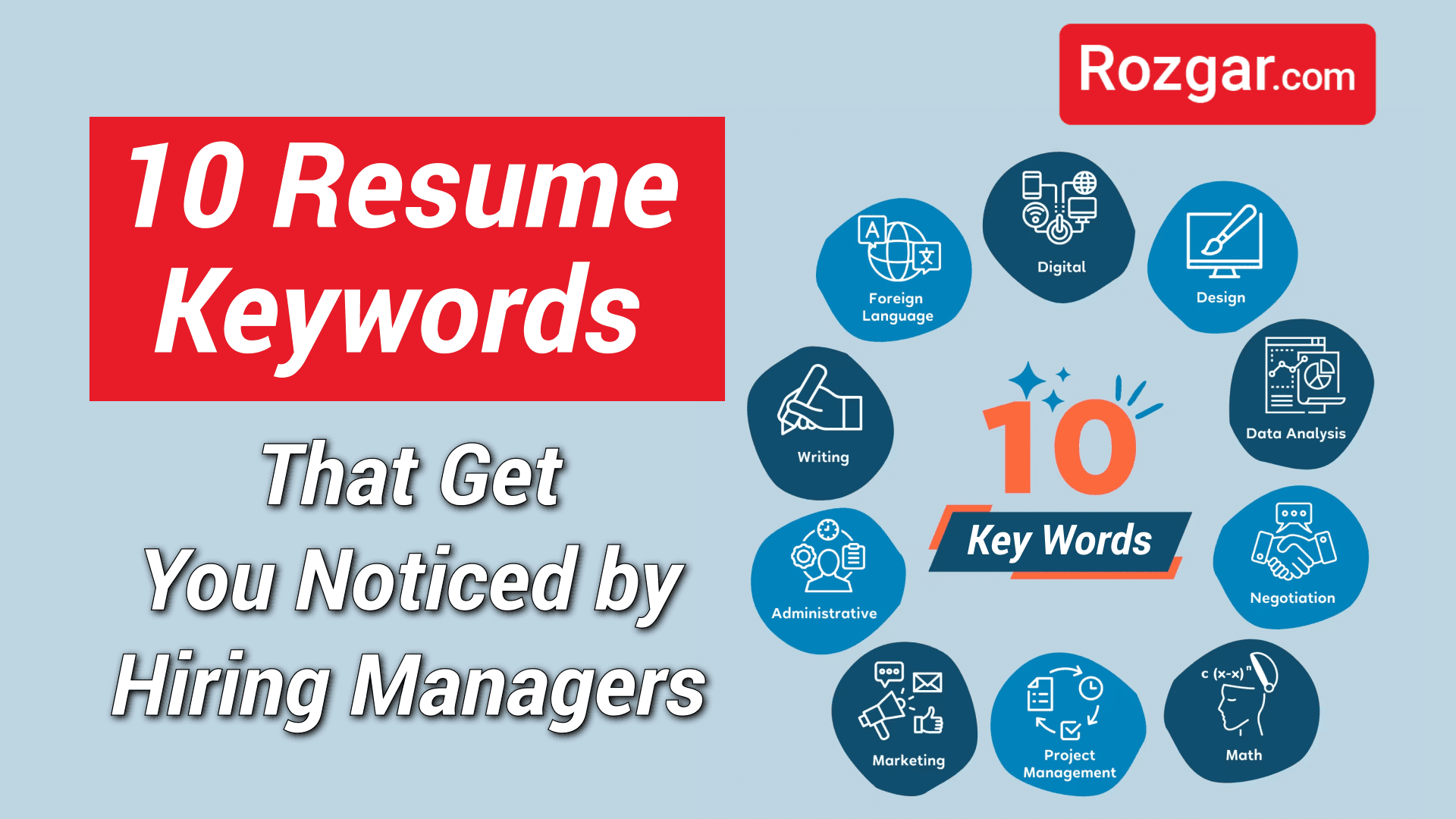
So, let’s talk about 10 keywords that hiring managers (and the ATS) love — and how to weave them naturally into your story. resume mistakes to avoid
1. Leadership
You don’t need to have “Manager” in your title to show leadership. Maybe you guided your team through a tight deadline, or took initiative when something wasn’t working. That’s leadership.
Example:“ Led a small project team that delivered results two weeks before the deadline.”
Why it works: It quietly shows ownership, responsibility, and initiative — all traits every employer values.
2. Communication
It might sound basic, but communication is the glue that holds every job together. It’s how ideas turn into action.
Example:“ Collaborated with designers and clients to translate creative ideas into clear campaign strategies.”
Why it works: You’re showing you don’t just talk — you connect, clarify, and make teamwork easier.
3. Problem-Solving
No company wants an employee who just says, “This isn’t working.” They want someone who says, “Okay, here’s how we can fix it.”
Example:“ Identified and resolved customer pain points, improving user satisfaction by 20%.”
Why it works: You’re showing that you think critically — and more importantly, that you act.
4. Adaptability
If the last few years have proven anything, it’s that being flexible is essential. Projects shift, tools change, roles evolve — and employers love people who can keep up without losing their cool.
Example:“ Adapted to new CRM software within two weeks, helping the team transition smoothly.”
Why it works: It shows you can handle change with maturity and focus.
5. Analytical
Being analytical isn’t just for data scientists. It’s for anyone who thinks deeply before deciding.
Example:“ Analyzed campaign performance data to identify low-performing channels and boost engagement.”
Why it works: It proves you make decisions based on logic, not guesswork.
6. Collaboration
Even the most talented people can’t do everything alone. Companies thrive on teamwork — and collaboration is the heartbeat of modern workplaces.
Example: “Worked closely with marketing and tech teams to launch an online campaign with 50K+ reach.”
Why it works: It signals that you’re a team player — not just someone doing your own thing.
7. Innovation
You don’t have to invent a new app to be innovative. It’s about thinking creatively — finding smarter ways to get things done.
Example: “Introduced a new reporting format that reduced manual work by 30%.”
Why it works: It shows initiative and creativity — two traits hiring managers quietly look for in everyone.
8. Results-Driven
Here’s the thing — results speak louder than responsibilities. Employers don’t just want to know what you did; they want to know what happened because you did it.
Example: “Implemented a new sales script that increased conversions by 15%.”
Why it works: It ties your effort to measurable impact. That’s gold on a resume.
9. Strategic
Being “strategic” means you think beyond the immediate — you understand the “why” behind the “what.”
Example: “Developed a strategic content plan that aligned with company goals and doubled engagement.”
Why it works: It shows maturity, foresight, and a sense of the bigger picture.
10. Organized
This one might seem simple, but trust me — recruiters notice it. When you’re organized, things move faster and smoother.
Example: “Managed multiple projects simultaneously, ensuring all were delivered before deadlines.”
Why it works: It tells them you’re reliable and structured — two qualities that never go out of style.
How to Use Keywords Naturally
Here’s the biggest mistake people make:
They throw in every buzzword they can think of — “leadership, innovation, teamwork, adaptability…” — without context. Recruiters see through that in a second.
The trick is to use keywords as part of a story. Don’t just list them; live them through examples.
Here’s how:
- Use active verbs (“led,” “developed,” “created,” “solved”).
- Back your keywords with results (“increased sales by 10%,” “cut processing time by half”).
- Mirror the language of the job description— that’s what the ATS scans for.
When your resume sounds natural and keyword-rich, you win on both sides — software and human.
Why Keywords Matter More Than Ever
In 2025, recruiters are flooded with hundreds of applications for a single role. The right keywords help your resume rise above that noise.
But beyond algorithms, these words matter because they express your value— how you think, how you work, and how you help organizations grow.
Think of it like this:
Your resume tells your story. Keywords are just the highlights that make sure your story gets heard. Linkedin Profile Optimization For Career Success
| Latest Category Jobs | ||
|---|---|---|
| Job Information | Apply Job | |
Oracle DBA(9-14 years) | ||
Workday HCM/HRIS Consultant (AMS Support)(12-15 years) | ||
AEM Architect(9-14 years) | ||
Digital Sales Specialist- Red Hat(8-10 years) | ||
Manager(2-9 years) | ||
Vehicle Integration(6-9 years) | ||
Conclusion
A good resume isn’t just about your experience — it’s about how you frame it. You could have all the right skills, but if your resume doesn’t speak the language employers are listening for, you might never get your chance. So, before you send that next application, read your resume out loud. Does it sound like you? Does it feel confident, clear, and real — not like something copied from a template? If not, now’s the time to fix it. Because the truth is, the best resumes aren’t the ones packed with fancy words — they’re the ones that feel genuine and make a hiring manager think, “This person gets it.”
For more such updates, follow Rozgar.com.
Frequently Asked Questions
Create Your Free Job Alert
Related Posts
View All21 Interview Questions Every...
Going to your first job interview can be intimidating. If youre just starting out, recruiters never expect you to have years of experience. They want you to be ready, clear, a...
read more Indu Sharma 28 Jan, 2026
Manager Capability Gaps in S...
The hiring world in 2025 is fast, tech-driven, and fiercely competitive. But while tools and technologies evolve every few months, one thing remains constant —the people behind the decisions.
Managers and re...
read more Indu Sharma 21 Nov, 2025
10 Resume Keywords That Get ...
Let’s be real — writing a resume can feel awkward. You’re sitting there trying to describe yourself in a way that sounds confident but not arrogant, professional but still real. And just when you think it’s perfect… no one calls back. Here’s what ...
read more Indu Sharma 14 Nov, 2025