
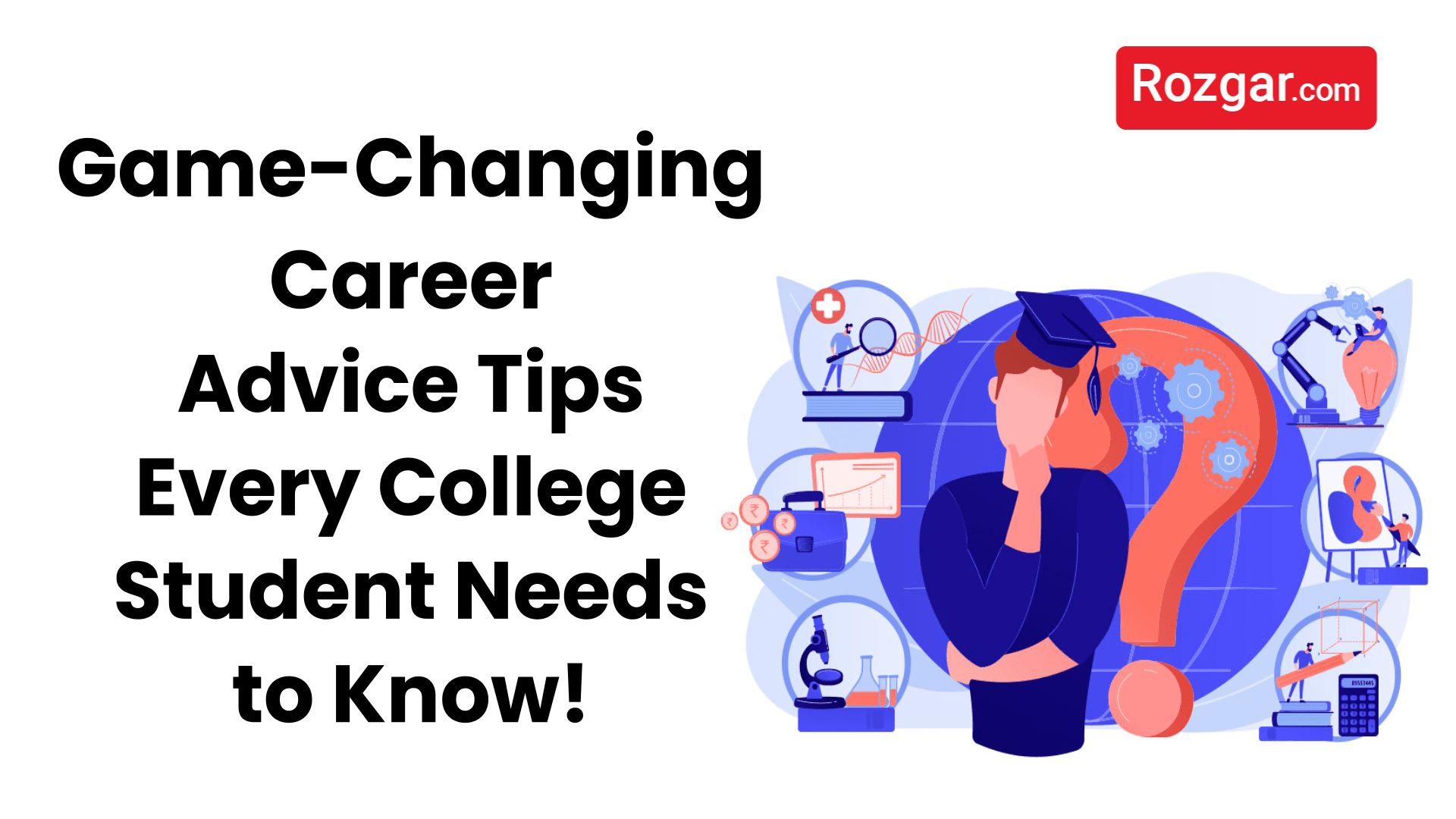
College is more than classrooms, exams, and campus life. It is a pivotal period where you begin shaping your future career. Early choices, habits, and strategies significantly influence long-term professional success. This article provides Career Advice for College Students that builds skills and lasting direction who want to build meaningful careers, acquire marketable skills, and navigate the post-graduation job market with confidence. Whether you are a first-year exploring options or a final-year student preparing to step into the workforce, these tips will guide your journey and help you make choices that matter. visit for more:Rozgar.com
Start Early and Set Clear Career Goals
Start thinking about your career from day one. Early planning gives you the advantage of time to explore options, take internships, and develop skills. Set specific, measurable, achievable, relevant, and time-bound goals. For example, aim to secure an internship in your desired field by the end of the sophomore year. Break long-term ambitions into short-term milestones. Regularly review and adjust goals as you learn more about your interests and the market. Use simple tools such as a career journal, a Trello board, or calendar reminders to maintain momentum and track accomplishments.
Build a Strong Academic Foundation
Solid academic performance matters. Prioritize deep understanding over rote memorization. Focus on core concepts and maintain consistent grades. A strong academic record opens doors for scholarships, research opportunities, and selective internships. Use professors’ office hours, study groups, and academic resources to deepen your knowledge. Convert classroom assignments into portfolio pieces by adding analytical depth, design improvements, or documentation that demonstrates real understanding. If you plan for graduate school, academic rigor will be essential—so plan your coursework around research opportunities and faculty connections.
Develop Marketable Technical Skills
Identify industry-relevant technical skills and work on them continuously. For engineering and IT students, this could include programming languages, version control, cloud platforms, anddata analysis. For business students, focus on Excel, SQL, analytics tools, and business modeling. Choose a few high-impact skills to master rather than chasing too many at once. Practical competence is more valuable than superficial familiarity. Build projects from scratch, contribute to open-source repositories, or join student research projects that challenge your technical understanding. Continuous hands-on practice accelerates proficiency.
Cultivate Soft Skills and Emotional Intelligence
Employers value communication, teamwork, leadership, and emotional intelligence. Participate in group projects, student organizations, and public speaking clubs to sharpen these skills.Learn to listen actively,give and receive feedback constructively, and manage conflicts professionally. Soft skills often differentiate top candidates during interviews. Practice writing clear emails, presenting complex ideas simply, and collaborating across diverse teams. Emotional intelligence—understanding your strengths, stress triggers, and collaborative style—will increase your resilience and effectiveness in any role.
Pursue Internships and Real-World Projects Early
Internships provide practical exposure and demonstrate initiative. Seek short-term projects, volunteering roles, or part-time positions related to your field. Even if initial roles are modest, treat them as learning opportunities. Build a portfolio of projects that showcase your capabilities, problem-solving approach, and results. If internships are scarce, propose independent projects to faculty or local nonprofits and document outcomes. Use internship experience to build references, learn the language of the industry, and identify the types of organizations where you perform best.
Network Thoughtfully and Build Relationships
Networkingis an investment, not a transaction. Attend alumni events, career fairs, and industry seminars. Engage meaningfully with mentors and peers. Use platforms like LinkedIn to share insights, connect with professionals, and follow companies you admire. When reaching out to alumni or professionals, be specific about why you want to talk and respectful of their time—ask for 15 minutes and prepare thoughtful questions. A strong network often leads to referrals, informational interviews, and job leads that are not publicly advertised. Nurture relationships through periodic updates and genuine engagement.
Create an Impressive LinkedIn Profile and Digital Presence
Your online presence matters. Craft a LinkedIn profile that highlights projects, internships, certifications, and achievements. Write a concise summary that communicates your interests and goals. Maintain a professional photo and request recommendations from supervisors. Consider a personal website or GitHub repository to host portfolios and showcase tangible work. Include project case studies that describe the problem, your approach, tools used, and measurable results. Recruiters and hiring managers often scan candidates’ online presence—make it easy for them to see your value.
Focus on Practical Certifications and Online Learning
Online courses and certifications can add credibility to your resume. Choose accredited, recognized programs aligned with your goals. Short courses on data analytics, digital marketing, programming, or cloud computing complement academic learning and demonstrate commitment to continuous development. Prioritize depth over breadth—complete capstone projects, publish your work, and include course artifacts in your portfolio. Balance your time between certifications and substantive projects so you can demonstrate applied learning rather than just multiple badges.
Master Resume Writing and Interview Skills
A polished resume and confident interview skills are essential. Tailor your resume for each role, emphasizing measurable achievements rather than generic responsibilities. Use bullet points with concrete outcomes: metrics, timelines, and specific contributions. Keep it concise—typically one page for early-career applicants. For interviews, practice behavioral questions using the STAR (Situation, Task, Action, Result) method. Prepare technical explanations where relevant and rehearse answers to common questions. Mock interviews with peers or career services help refine delivery and content.
Seek Mentors and Accept Constructive Feedback
Mentorship accelerates growth. Identify mentors among faculty, seniors, or industry professionals. Be open to feedback and use it to improve continuously. A mentor can provide guidance on career choices, help you avoid common pitfalls, and introduce opportunities. When asking for mentorship, be specific about the guidance you need and establish a cadence for check-ins. Show appreciation by implementing advice and reporting back on progress—mentors support engaged and appreciative mentees.
Explore Entrepreneurship and Side Projects
Starting a side project or venture teaches resourcefulness. Entrepreneurship fosters problem-solving, leadership, and resilience. Even small initiatives—freelance work, campus startups, or community programs—offer powerful experiences that employers value highly. Validate ideas with small experiments, gather user feedback, and iterate rapidly. Document growth metrics, user engagement, and lessons learned. Whether you build a product or a social initiative, the skills gained—product thinking, user research, and project management—are widely transferable.
Gain Global Perspective and Cultural Competency
In a globalized workforce, cultural competency is valuable. Consider exchange programs, international internships, or cross-cultural projects. Learning a foreign language, participating in virtual collaborations with international peers, or engaging with diverse on-campus organizations enhances adaptability. Employers appreciate graduates who can work across cultures and adapt to diverse teams. Global experience broadens perspective and often reveals new career paths.
Develop Financial Literacy and Career Budgeting
Understand basic financial concepts likebudgeting, saving, loan management, and investing. Financial literacy enables better career choices, especially when evaluating job offers, relocation costs, or graduate studies. Create a three-year financial plan outlining expected salaries, potential relocation costs, and professional development investments. Learn to evaluate offers holistically—consider benefits, learning budgets, and long-term career returns rather than just the starting salary.
Prioritize Well-being and Sustainable Habits
Sustained success requires health and balance. Develop routines for exercise, sleep, and mental health. Use stress management techniques and build a support network. Burnout undermines career progress; prioritize sustainable habits that support long-term performance and growth. Schedule non-negotiable time for rest and hobbies. Building habits that sustain energy will increase your consistency and creative capacity over the long-term.
Actionable 12-Month Career Plan for Students
Create a timeline for the next 12 months that aligns with your academic calendar and career goals. Start by identifying two to three areas of skill development, secure at least one internship or project, attend two networking events, and complete a relevant certification. Schedule regular check-ins with a mentor to evaluate progress and adjust goals. Keep a learning diary with weekly reflections and measurable outcomes to track development. A concrete plan increases accountability and ensures steady momentum.
Industry-Specific Guidance
Different fields require nuanced strategies. For technology roles, build aGitHub portfolioand contribute to open-source projects. For finance, get comfortable with financial modeling, case studies, and Excel shortcuts. For media and communications, focus on writing samples, multimedia portfolios, and content analytics. For engineering disciplines, pursue lab research or field projects to demonstrate applied knowledge. Tailor your applications to industry norms and speak the language of each sector in interviews and resumes.
Common Mistakes Students Make
Avoid starting late, relying solely on grades, and ignoring soft skills. Don’t apply to roles blindly; customize applications for fit. Avoid generally unnecessary early job hopping without strategic reason. Also, avoid neglectingmental health; career growth is a marathon that requires energy and focus.Balance ambition with sustainable habits, remain curious, and commit to continuous improvement.
How Employers Evaluate Recent Graduates
Employers look for potential, curiosity, cultural fit, and the ability to learn. They value candidates who demonstrate initiative, relevant experience, and communication skills. Highlight quantifiableimpacts from internships, projects, or leadershiproles to make your resume stand out. Employers often prioritize candidates who show resilience, a growth mindset, and the ability to collaborate effectively across teams.
Sample Resume Bullets by Domain (Templates)
- Software Developer:"Implemented a RESTful API in Python using Flask that reduced response latency by 40% and improved user throughput by 25%."
- Data Analyst:"Designed an automated ETL pipeline using Python and SQL to consolidate weekly sales data, reducing manual processing time by 8 hours per week."
- Marketing:"Executed a social media campaign that increased engagement by 60% and generated 1,200 leads over three months."
- Finance:"Created a discounted cash flow model to value potential acquisitions, influencing a $2M investment decision.
Negotiation Tips for First Jobs
Research salary bands using resources like Glassdoor, Payscale, and industry reports. Prepare a realistic range for discussion and emphasize value by presenting specific internship projects or accomplishments. Consider negotiating benefits such as learning budgets, flexible work hours, mentoring, or relocation support—these elements can be as meaningful as base pay.
Remote and Flexible Work Considerations
Showcase remote experience by highlighting remote internships or projects that demonstrate communication and time management skills. Develop strong asynchronous communication habits: use concise status updates and documented decisions. Create a professional home workspace and test video conferencing equipment before interviews. Demonstrating discipline and proactivity in remote settings differentiates strong candidates.
Using Campus Resources Effectively
Leverage career centers for resume reviews, mock interviews, and employer matchmaking. Seek research roles and mentorship from faculty to build academic rigor and references. Take leadership positions in student clubs, organize events, and launch initiatives that attract employer attention. Campus resources often provide direct connections to recruiters and alumni networks.
Competitions, Hackathons, and Certifications as Differentiators
Participate in hackathons to solve real problems quickly; judges often include industry professionals. Case competitions and business plan contests validate strategic thinking and teamwork under pressure. Share competition results on LinkedIn and personal sites to increase visibility and demonstrate initiative and impact.
Alumni Relations and Informational Interviews
Use alumni databases to request informational interviews with professionals in desired roles. Approach with specific questions about day-to-day responsibilities, required skills, and career pathways. Prepare a summary of key insights and express appreciation. Thoughtful follow-ups often convert initial conversations into long-term mentors or referral sources.
Practical Checklist Before Graduation
Finalize your resume and LinkedIn profile with your latest achievements and projects. Host a mock interview with a mentor or career counselor and iterate based on feedback. Apply to graduate roles, entry-level jobs, and rotational programs aligned to your goals. Secure at least two professional references and ensure contact details are updated. Prepare a short elevator pitch and practice cold outreach scripts for networking.
Long-Term Career Development Beyond Graduation
Create a five-year plan with technical milestones, leadership goals, and potential industries of interest. Revisit your goals annually and adjust based on new experiences and market trends. Continue lifelong learning through books, courses, conferences, and professional communities. Seek stretch assignments and leadership roles to accelerate development.
Final Practical Tips for Immediate Action
1. Build a one-page portfolio with three best projects including descriptions, tools, and measurable outcomes.
2. Reach out to three alumni or industry professionals each month with focused informational interview requests.
3. Submit at least five tailored internship or job applications each month during recruitment cycles.
4. Complete one meaningful certification or capstone project every six to nine months.
5. Practice one mock interview per month and iterate on feedback.
| Latest Category Jobs | ||
|---|---|---|
| Job Information | Apply Job | |
Senior QA Tester(10-11 years) | ||
Application Tech Support Practitioner(3-6 years) | ||
MS Dynamics CRM/365 Tech Lead(10-12 years) | ||
Delivery Consultant - IAM(10-14 years) | ||
IT Service Management Representative(5-7 years) | ||
Microsoft Dynamics 365 ERP Technical Architect(12-15 years) | ||
Conclusion
Career planning in college is about purposeful progress. Implementing the tips here will prepare you for interviews, elevate your professional brand, and create lasting opportunities. Remember that the journey is iterative: set goals, act, evaluate, and iterate. With intentional effort, you can translate college experiences into Career Tips for Students. Begin today and keep learning. visit for more:Rozgar.com
Frequently Asked Questions
Create Your Free Job Alert
Related Posts
View Allबिहार में सत्ता परिवर्तन: जॉ...
बिहार की राजनीति में संभावित सत्ता परिवर्तन को लेकर चर्चा तेज हो गई है। नए नेतृत्व के आने की अटकलों के बीच सबसे बड़ा सवाल यह है कि इसका असर राज्य के जॉब मार्केट और एजुकेशन सेक्टर पर किस तरह पड़ेगा। युवाओं, छात्रों और नौकरी की तैयारी कर रहे उम्मीदव...
read more Yogesh Singh 02 Apr, 2026
Haryana Jobs 2026: 800 एकड़ ...
हरियाणा में रोजगार को लेकर एक बड़ी खुशखबरी सामने आई है। देश की प्रमुख ऑटोमोबाइल कंपनी Maruti Suzuki राज्य में 800 एकड़ में अपना नया मेगा प्लांट स्थापित करने जा रही है। इस प्रोजेक्ट के शुरू होने से न केवल औद्योगिक विकास को बढ़ावा मिलेगा, बल्कि हजार...
read more Yogesh Singh 01 Apr, 2026पंजाब रोजगार समाचार 2026: नई...
पंजाब के युवाओं के लिए साल 2026 रोजगार और करियर के नए अवसर लेकर आया है। राज्य सरकार और विभिन्न विभागों द्वारा नई भर्तियां और रोजगार योजनाएं शुरू की जा रही हैं, जिससे लाखों युव...
read more Yogesh Singh 23 Mar, 2026