
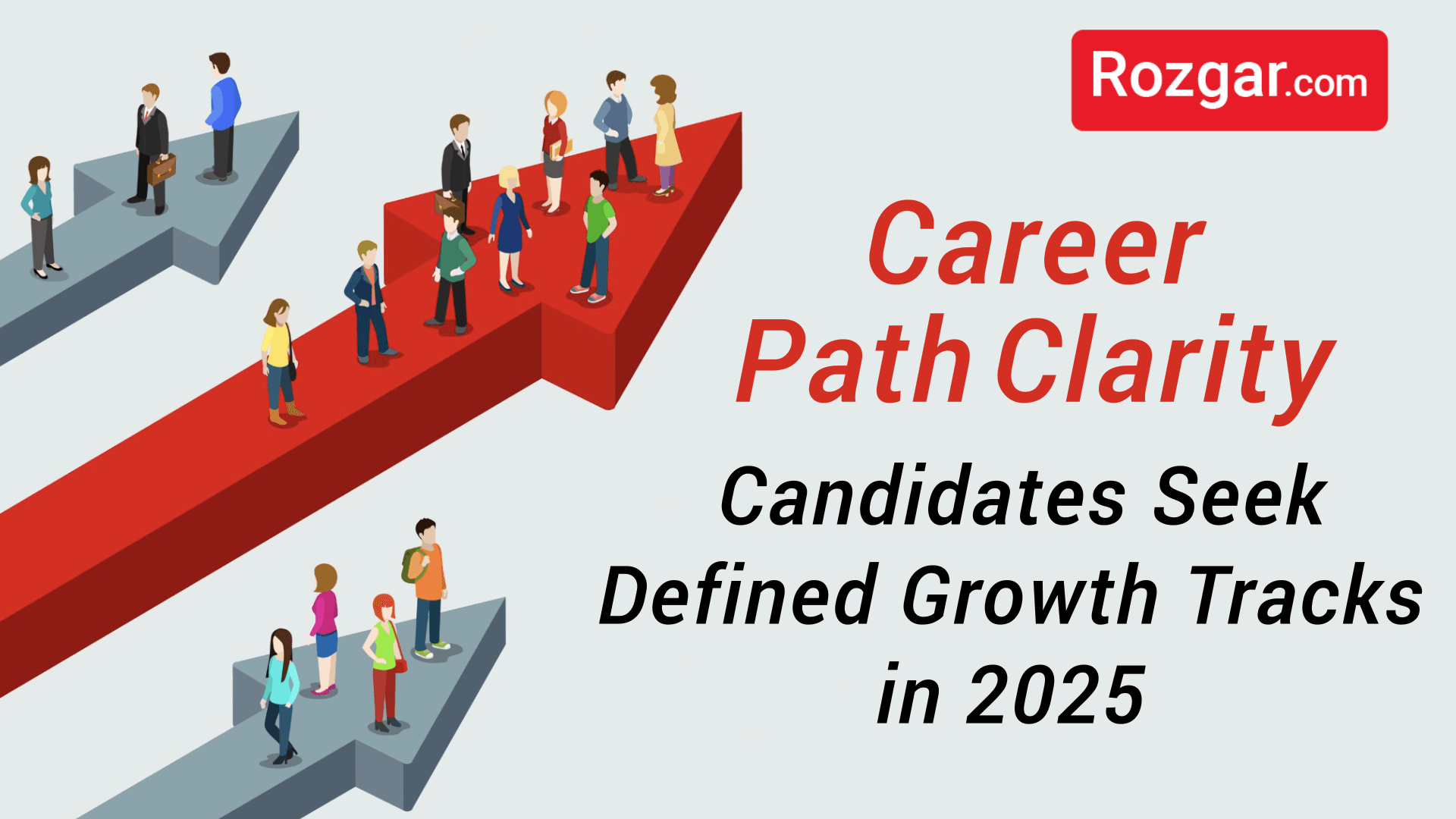
In 2025, professionals are no longer content with vague job descriptions or uncertain futures. They want clarity, purpose, and a roadmap to success. The workforce of today — especially millennials and Gen Z — is asking an important question before accepting any role: “Where can this job take me?”
That’s where Career Path Planning becomes a game-changer. It’s not just a buzzword; it’s a strategic approach for both employers and employees to align goals, expectations, and growth potential. In a competitive market, clear Growth Opportunities are fast becoming the ultimate differentiator for attracting and retaining top talent.
Why Career Path Clarity Matters in 2025
Gone are the days when people spent decades in one company, slowly climbing a predictable ladder. The modern job market thrives on skill diversity, flexibility, and mobility. However, the flip side of this dynamic environment is career uncertainty.
Employees today want to know:
- What does success look like in this role?
- What are the possible growth routes — vertical or lateral?
- How can I develop my skills to get there?
A lack of clarity can quickly lead to disengagement. According to industry reports, nearly 70% of employees leave organizations that fail to offer visible growth paths. This shift emphasizes why Career Path Planning must be a top priority for HR leaders in 2025.
What Is Career Path Planning?
Career Path Planningis a structured approach to mapping out an employee’s potential progression within an organization. It includes:
- Defining roles and competencies at each level.
- Offering upskilling or reskilling opportunities.
- Creating transparent performance metrics.
- Providing mentorship and feedback systems.
For employers, it’s a way to create a motivated and future-ready workforce.
For employees, it’s the assurance that their hard work and loyalty will lead somewhere meaningful.
The Link Between Career Path Planning and Growth Opportunities
A well-defined career path is only as good as the Growth Opportunities it supports. When employees see that their organization invests in training, leadership programs, or cross-department exposure, they feel valued.
In 2025, companies that combine structured career frameworks with tangible learning experiences stand out. Examples include:
- Internal mobility programs: Allowing employees to explore roles in different departments.
- Continuous learning platforms: Giving access to online courses or certifications.
- Mentorship programs: Pairing employees with senior leaders for guidance.
- Performance-linked promotions: Rewarding achievement with clear advancement.
- Such initiatives foster loyalty, reduce turnover, and help organizations future-proof their talent pipelines.
The Employee Perspective: Clarity Equals Confidence
For job seekers, Career Path Planning is not just a corporate process — it’s a personal mission. In a rapidly changing economy, having a clear path ensures you’re not left behind by automation or skill shifts.
Employees who take charge of their own career path tend to:
- Set realistic goals aligned with their strengths.
- Continuously upgrade their skills.
- Seek mentors or communities that push them forward.
- Make smarter career transitions when needed.
In 2025,Career Path Planning will likely merge with AI-powered career tools. Platforms may analyze your skills, suggest courses, and even recommend internal job openings — making career navigation smarter and more accessible than ever.
The Employer’s Role: Building Transparent Growth Systems
Organizations that provide Career Path Clarity are already witnessing higher retention and engagement levels. But clarity doesn’t come automatically; it requires commitment from leadership.
Here’s how leading companies are doing it:
1. Individual Development Plans (IDPs): Personalized blueprints for every employee’s growth.
2. Visible Promotion Ladders: Employees know exactly what it takes to reach the next level.
3. Skill-Based Evaluations: Shifting focus from tenure to capability and contribution.
4. Open Communication: Regular check-ins and career conversations between managers and team members.
The result? A culture where employees can see a future — and work confidently toward it.
Career Path Planning in the Age of Hybrid Work
With remote and hybrid work becoming the norm,Career Path Planningneeds to evolve. Employees working from different locations must still feel connected to growth programs. Virtual mentorship, online leadership sessions, and digital skill assessments are helping bridge that gap.
Organizations are also realizing that Growth Opportunities must extend beyond traditional hierarchies. Horizontal mobility — moving into new areas or projects — is just as valuable as upward promotion. In fact, it often builds more versatile, well-rounded professionals.
The Future of Career Growth: Data-Driven and Personalized
In 2025 and beyond, AI and analytics are transforming how employees and employers view career development. Predictive data can identify skill gaps, recommend training, and forecast future career trajectories.
Employees will no longer wonder “What’s next for me?” — instead, they’ll have data-backed visibility into their next possible steps. This creates not just Career Path Clarity, but also trust and empowerment.
How to Start Your Career Path Planning Journey
If you’re an employee:
1. Assess your current skills and interests.
2. Set long-term goals — both personal and professional.
3. Seek mentorship from people who’ve walked similar paths.
4. Ask for feedback regularly and adjust your direction accordingly.
5. Stay curious — continuous learning is your biggest advantage.
If you’re an employer:
1. Map internal career ladders for every function.
2. Encourage conversations about growth, not just performance.
3. Offer access to learning resources and certifications.
4. Celebrate internal promotions — they reinforce growth culture.
5. Track outcomes to ensure fairness and transparency.
The message is clear: when employees can see their growth path, they’re far more likely to walk it enthusiastically.
| Latest Category Jobs | ||
|---|---|---|
| Job Information | Apply Job | |
SAP EWM – Manager (Application Lead)(12-20 years) | ||
Application Architect: SAP Commerce(12-14 years) | ||
Supply Chain Operations Associate(1-3 years) | ||
Senior technical manager(7-12 years) | ||
Senior Associate - TA(2-4 years) | ||
Associate HRO(2-3 years) | ||
Conclusion
The demand for Career Path Clarity in 2025 reflects a broader shift toward purposeful careers. Employees don’t just want jobs — they want journeys. When companies invest in Career Path Planning and open up Growth Opportunities, they don’t just build better employees — they build better futures. After all, clarity isn’t just about knowing where you’re going; it’s about having the confidence to get there.
For more such updates, follow Rozgar.com.
Frequently Asked Questions
Create Your Free Job Alert
Related Posts
View Allबिहार में सत्ता परिवर्तन: जॉ...
बिहार की राजनीति में संभावित सत्ता परिवर्तन को लेकर चर्चा तेज हो गई है। नए नेतृत्व के आने की अटकलों के बीच सबसे बड़ा सवाल यह है कि इसका असर राज्य के जॉब मार्केट और एजुकेशन सेक्टर पर किस तरह पड़ेगा। युवाओं, छात्रों और नौकरी की तैयारी कर रहे उम्मीदव...
read more Yogesh Singh 02 Apr, 2026
Haryana Jobs 2026: 800 एकड़ ...
हरियाणा में रोजगार को लेकर एक बड़ी खुशखबरी सामने आई है। देश की प्रमुख ऑटोमोबाइल कंपनी Maruti Suzuki राज्य में 800 एकड़ में अपना नया मेगा प्लांट स्थापित करने जा रही है। इस प्रोजेक्ट के शुरू होने से न केवल औद्योगिक विकास को बढ़ावा मिलेगा, बल्कि हजार...
read more Yogesh Singh 01 Apr, 2026पंजाब रोजगार समाचार 2026: नई...
पंजाब के युवाओं के लिए साल 2026 रोजगार और करियर के नए अवसर लेकर आया है। राज्य सरकार और विभिन्न विभागों द्वारा नई भर्तियां और रोजगार योजनाएं शुरू की जा रही हैं, जिससे लाखों युव...
read more Yogesh Singh 23 Mar, 2026