
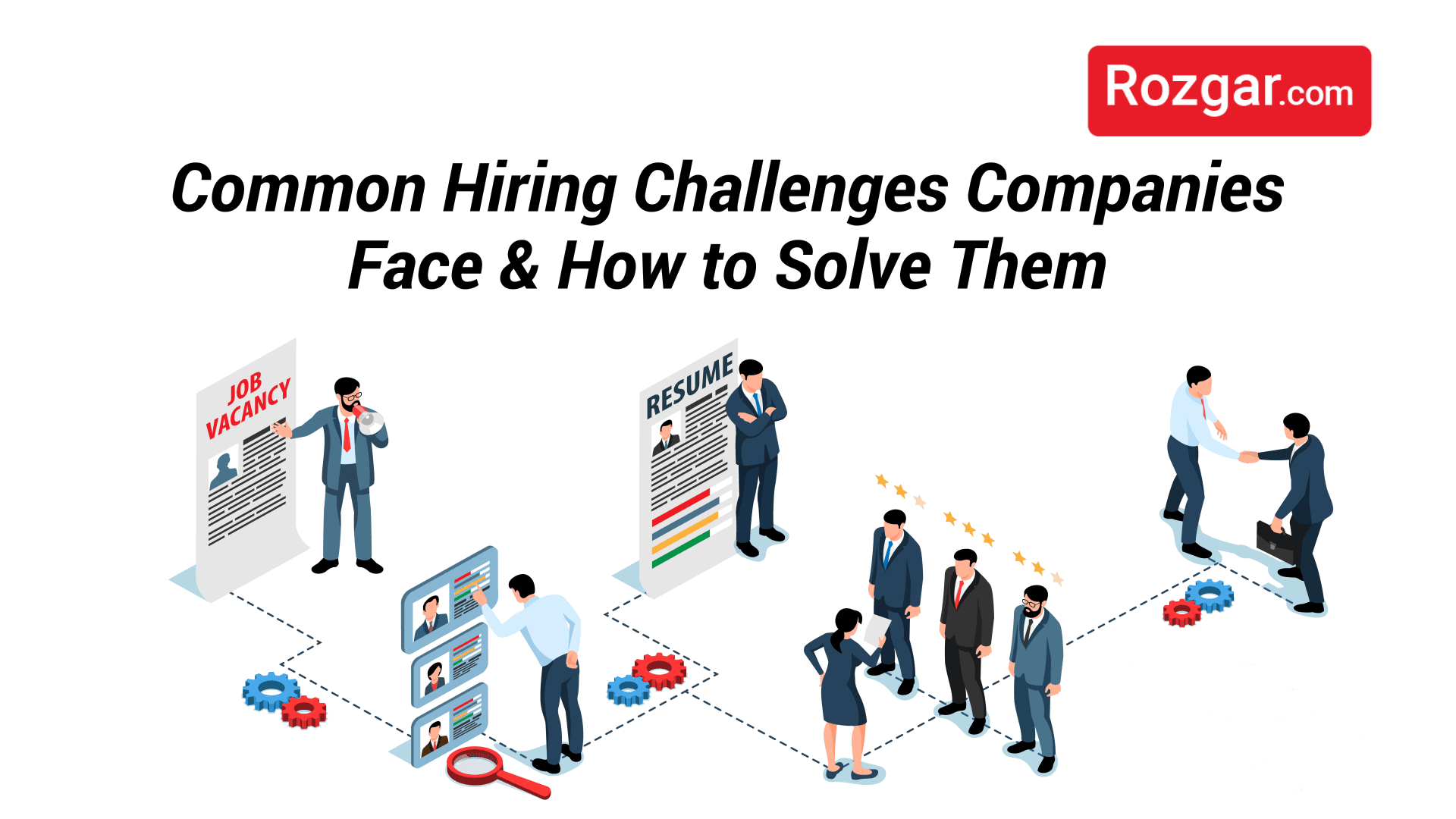
Whenever I sit down with HR teams whether it’s a small company or a large organisation with layers of people and processes the conversation eventually drifts toward hiring. Not the feel-good part of hiring, but the messy, frustrating, time-consuming part. It doesn’t matter how many tools or portals we have; the ground situation is still full of gaps. And this is probably why hiring challenges India keeps coming up in conferences, closed-door meetings, and even casual chats between recruiters.
If I think about the last few months alone, the same pattern repeats. Companies post a job, applicants flood in, half of the CVs feel irrelevant, and then begins a long cycle of back-and-forth. And somewhere inside all this, HR quietly worries whether they’ll be able to close the role before it becomes a fire-fighting situation for the team.
There are many reports online aboutrecruitment problems companiesface, but they usually sound too polished or too technical. The real struggles are much simpler and sometimes even mundane. Let me try to walk through these challenges the way they actually appear in real workplaces without dressing them up.
The Overwhelming Resume Pile (but almost no perfect match)
This one happens so often that it feels like part of the job now. Companies put out a requirement, especially for high-demand roles, and within hours the inbox fills up. It looks encouraging at first at least until recruiters open the CVs.
Someone applied who has no connection to the field.
Someone else has the right title but no practical experience.
Some resumes look copied, some are outdated.
The whole thing becomes a time drain.
It’s ironic, but more applicants don’t make hiring easier. They make it slower. Sometimes HR teams spend entire days filtering profiles only to find two or three names worth calling.
Targeted platforms like Rozgar.com help reduce this chaos because they attract more relevant candidates. It’s a simple wayto improve hiring processefficiency without needing bigger teams or bigger tools.
The Skill Gap Nobody Knows How to Solve Properly
There’s a massive disconnect between what companies want and what the current talent pool offers. This usually becomes the biggest of alltalent acquisition issues.
A role needs data analysis skills?
Candidates know basic Excel.
A role demands hands-on digital marketing?
Applicants talk mostly about theoretical knowledge.
And this isn’t anyone’s fault. Industries evolve faster than people update their skills. But the impact is real: hiring timelines get stretched, training becomes expensive, and HR feels pressured to find someone “perfect” even when that perfect candidate may not exist in the current market.
Many companies now hire people who show potential, then train them. This is one of the few practical ways companies have cut down hiring delays stop waiting for perfection and build skills internally.
Internal Delays (the challenge no one admits openly)
If there’s one thing that silently derails hiring, it’s internal inconsistency.
One manager wants a new requirement added mid-way.
Another wants another round of interviews “just to be sure.”
Someone senior is travelling.
Someone else is unsure about budget.
Candidates wait. Then they move on.
It’s not mentioned in official reports, but this is among the most damaging recruitment problems companies face. And the solution is surprisingly simple set a clear plan before hiring begins. Who is interviewing? How many steps? What is the decision timeline? When everyone knows the framework, hiring becomes faster almost automatically.
Candidate Dropouts (a modern headache)
Earlier, candidates rarely disappeared after accepting an offer. Today it happens almost every week. People accept a job but continue interviewing elsewhere. If they receive a better offer, they choose it. Often HR finds out only when they stop replying.
Companies that manage this well usually do so through proactive communication.
Not fancy newsletters or long onboarding guides.
Just small human touches:
Hello, just checking in. Let us know if you need anything before joining.
Here’s something about the team you’ll work with.
This simple engagement reduces drop-offs dramatically.
Candidate Experience (the invisible deal-breaker)
Most organisations assume their hiring process is fine. But candidates often think differently they just don’t say it out loud. Slow replies, confusing instructions, interview delays, unprepared interviewers… these things push good candidates away without HR ever knowing why.
Good recruitment best practices don’t require high budgets.
They require respect and clarity.
Respond quickly.
Give timelines.
Inform candidates even if they are not selected.
It builds trust and a positive employer brand.
Budget Limitations Many HR Teams Don’t Say Out Loud
Not every company has the luxury of spending heavily on recruitment. Especially smaller firms and growing businesses. Every ad, tool, and test adds cost. That’s why hiring has to be planned, not random.
Cost-effective job portals, internal referrals, and structured interviews are some of the most dependable hiring solutions for employers who need good talent without overspending. In many companies, referrals alone have reduced hiring costs by 30–40%.
Technology Overload (too many tools, not enough clarity)
Most companies now use HR tech. But sometimes they use too much tech without understanding the purpose. Multiple systems, multiple dashboards, too many steps, too much admin work. It feels modern, but it slows down the process.
The smartest companies are choosing fewer tools but using them properly. They streamline work instead of adding layers. And that is a real improvement in how companies improve hiring process execution.
Hiring Under Pressure (and the mistakes that come with it)
Teams need people quickly, so hiring becomes reactive. Roles get filled in a hurry. And then, months later, performance issues appear, and the cycle repeats. Fast hiring does not always mean good hiring.
One useful trick companies use is maintaining a “warm candidate pool.” These are candidates who were promising but weren’t selected. Keeping them in touch reduces hiring time in the future and it’s something humans naturally do well when not overwhelmed.
| Latest Category Jobs | ||
|---|---|---|
| Job Information | Apply Job | |
Application Designer – SAP FSCM TRM(8-10 years) | ||
Large Language Model Architect(12-15 years) | ||
Grocery Delivery job (Zepto)(0-2 years) | ||
Testing Strategy Designing - Architect(10-20 years) | ||
Vehicle Integration(6-9 years) | ||
Worker(1-2 years) | ||
Conclusion
The realhiring challenges Indiafaces today aren’t just market issues; they’re also internal issues, communication gaps, and the reality of a fast-changing workplace.The recruitment problems companies faceare often interconnected, and solving them requires simple but consistent effort.
Companies that care about candidate experience, internal alignment, and realistic planning always hire better. And when they use thoughtfulhiring solutions for employers, recruitment becomes less of a struggle and more of a stable, predictable function.
Frequently Asked Questions
Create Your Free Job Alert
Related Posts
View All
Job Posting vs Recruitment A...
Selecting a strategy for talent acquisition involves a constant struggle between financial efficiency and the precision of the search. Organizations frequently find themselves...
read more Indu Sharma 05 Jan, 2026
The Hidden Costs of Bad Hiri...
Let’s be honest. We have all been there. You have a massive hole in your team, the workload is burying you alive, and you just need a "warm body" in that chair. So, you rush. ...
read more Indu Sharma 31 Dec, 2025
Why Job Portals Still Matter...
The recruitment world in 2026 has seen some pretty massive changes. With everyone spending so much time on professional social networks, many people thought that standard job ...
read more Indu Sharma 30 Dec, 2025