
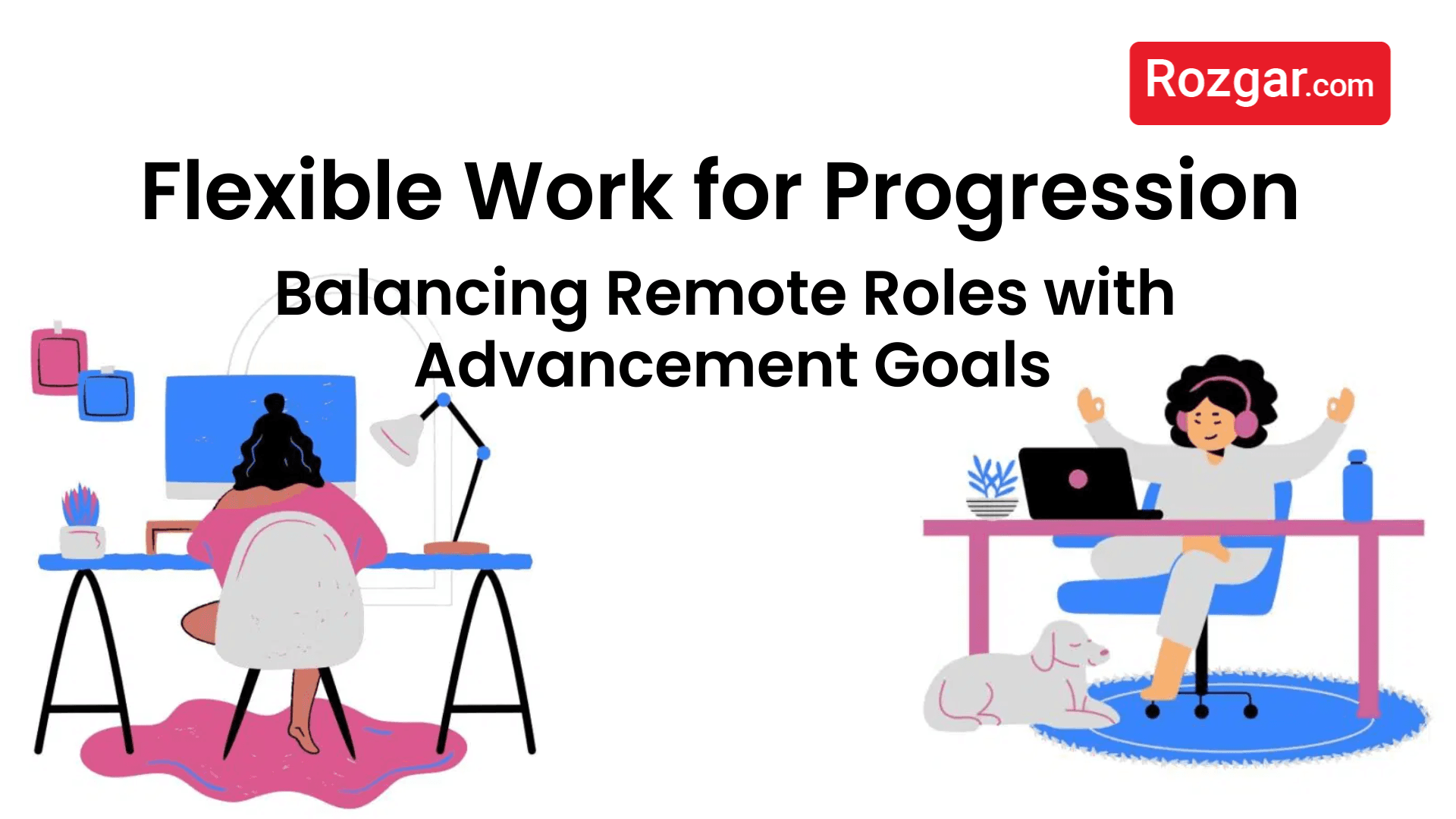
The modern workplace has undergone adramatic transformationin the past decade, accelerated by technology, globalization, and the pandemic’s push toward remote work.
Today, employees no longer view their careers as a rigid ladder but as ajourney where fulfillment, adaptability, and balanceplay as much of a role as titles and salaries.
At the heart of this evolution lies the rise ofFlexible Career Paths, empowering professionals to grow while maintaining work-life integration and leveraginghybrid growth models.
For many, the question is no longer“Can I work remotely?”but rather“Can I progress while working remotely?”Let’s explore how organizations and individuals can balance flexibility with advancement — creating afuture of workwhere growth and balance coexist.
The Evolution of Career Paths
Traditionally, career development followed a linear model — starting in entry-level roles, climbing into management, and eventually senior leadership. Success was measured by tenure, promotions, and presence in the office.
However, in the era ofFlexible Career Paths, success looks different. Careers are now shaped aroundskills, projects, and lifestyle goalsrather than a one-size-fits-all trajectory.
Professionals are embracing:
Lateral movesand project-based roles
Portfolio careerscombining multiple skillsets
Freelancing and hybrid models
Side hustlesfor diversified growth
This flexibility benefits both employees and employers — creating adiverse, adaptable workforceready to thrive in fast-evolving industries.
Why Flexibility Matters for Career Growth
1. Adaptation to Modern Needs
Employees now seek roles that align withpersonal goals, health, and family priorities. Work-life integration is no longer an afterthought — it’s a necessity.
2. Talent Retention
Companies offering flexible paths enjoyhigher loyalty and lower turnover, as employees no longer feel forced to choose between growth and personal life.
3. Global Opportunities
Remote work opens global doors — allowing professionals tocontribute to companies worldwide, breaking geographical barriers.
4. Continuous Learning
Flexibility allows employees topursue education, certifications, or part-time projectswhile maintaining their main roles — fuelinghybrid professional growth.
Work-Life Integration: The New Growth Catalyst
Work-life integration goes beyond balance. While “balance” separates personal and professional life,integration blends themin harmony — enhancing both.
For instance, a parent can attend a child’s event without missing deadlines, or a professional might upskill during flexible hours. Thisseamless blendingboosts satisfaction, reduces burnout, and enhances productivity.
Organizations that embrace this mindset fostersupportive cultureswhere employees thrive both personally and professionally.
Hybrid Growth: The Future of Career Progression
Post-pandemic, hybrid growth models have redefined work structures — blending office presence with remote flexibility.
Benefits for employees and employers include:
In-officementorship and networking
Remotefocus and flexibility
Enhancedcollaboration and innovation
Flexible career paths, therefore, aren’t compromises — they’restrategic approaches to progression, aligning prsonal goals with organizational success.
Challenges in Remote Career Progression (and How to Overcome Them)
1. Visibility Issues
Challenge:Out of sight can mean out of mind.
Solution:Communicate achievements proactively, use digital tools, and request regular feedback.
2. Networking Gaps
Challenge:Fewer casual interactions may limit mentorship.
Solution:Build online connections, join internal communities, and attend virtual events.
3. Blurred Boundaries
Challenge:Remote work can blur personal-professional lines.
Solution:Set boundaries, define work hours, and prioritize self-care.
4. Skill Stagnation
Challenge:Limited exposure can slow learning.
Solution:Take online courses, participate in cross-functional projects, and seek mentorship.
Strategies for Employees: Advancing Through Flexible Career Paths
Define Clear Goals– Know where you’re heading before exploring flexibility.
Leverage Online Learning– Upskill through certifications in AI, data analytics, leadership, etc
Communicate with Leaders– Share your aspirations and seek guidance.
Find Mentorship– Virtual mentors can accelerate your career anywhere.
Document Achievements– Keep track of measurable outcomes to strengthen promotion cases.
Balance Growth with Well-Being– Sustainable success requires personal integration.
Strategies for Employers: Building Growth in Flexible Models
Redefine Performance Metrics– Measureimpact, not hours.
Support Hybrid Growth– Offer autonomy with in-person opportunities.
Encourage Upskilling– Invest in certifications and cross-functional exposure.
Create Mentorship Systems– Bridge the gap for remote employees.
Ensure Inclusivity– Equal growth access for remote, hybrid, and in-office workers.
Case Studies: Flexible Career Paths in Action
Case Study 1: Tech Company’s Hybrid Growth Success
A global tech company introduced rotational hybrid schedules and digital mentorship. Result: Higher visibility, stronger advancement, and better retention.
Case Study 2: Consulting Firm’s Work-Life Integration Strategy
Employees were allowed flexible hours to pursue personal goals. Result: Improved well-being and 40% higher retention.
Case Study 3: Startup Encouraging Portfolio Careers
By supporting side hustles, a startup saw innovation rise and employee satisfaction soar.
The Future of Flexible Career Progression
As technology evolves and employee expectations shift,rigid career ladders will vanish, replaced byadaptive, non-linear growth paths.
Future-ready organizations will be those that championhybrid models, continuous learning, and work-life integration.
For employees, success will no longer depend on office presence — but onimpact, adaptability, and alignmentwith personal values.
Final Thought
Flexible Career Pathsaren’t about compromise — they’re aboutempowerment.
The future belongs to professionals and organizations that understand one truth.
Frequently Asked Questions
Create Your Free Job Alert
Related Posts
View All
Flexible Work for Progressio...
The modern workplace has undergone adramatic transformationin the past decade, accelerated by technology, globalization, and the pandemic’s push toward remote work.
Today, employees no longer view their careers as a rigid la...
read more Anju Gupta 15 Oct, 2025
Top 20 Digital Marketing Int...
Digital marketing has evolved from being just a supporting business function into acore growth driverfor companies worldwide. From small businesses to multinational corporations,digital strategies shape how brands connect ...
read more Indu Sharma 04 Oct, 2025
Understanding Content Modera...
Every minute, users publish thousands of posts, images, videos, reviews, and messages across digital platforms. That torrent of user-generated content fuels community engagement, commerce, and creat...
read more Indu Sharma 22 Sep, 2025