
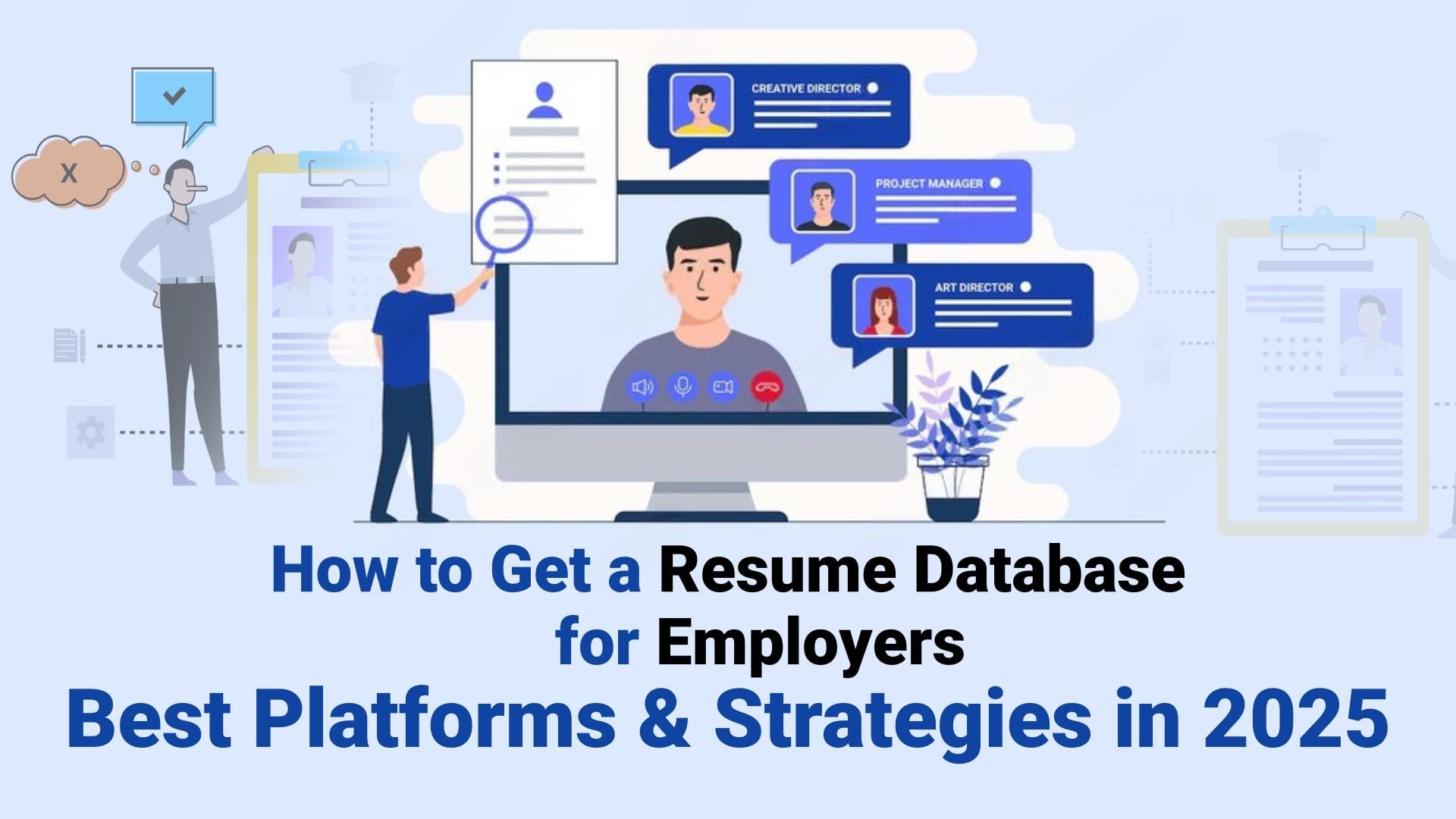
Hiring the right people at the right time is one of the biggest challenges employers face, especially in the fast-paced work environment of 2025. To stay competitive, businesses large or small are turning to resume databases for quick and reliable access to quality talent.
If youre an employer wondering how to get your hands on a ready pool of potential candidates, this guide is for you. From sourcing databases on the top platforms to building your own, we’ll explore practical strategies to power your hiring process. In addition, we’ll clarify a common confusion many employers face when onboarding employees — Appointment Letter vs Confirmation Letter — along with important points about formats and their usage.
Why Resume Databases Are a Must-Have for Employers
In today’s digital world, posting a job and waiting for applicants is no longer enough. Employers now take a more proactive approach by accessing resume databases, which offer thousands of pre-verified resumes. This approach helps recruiters connect with talent faster, especially in industries facing skill shortages.
With a resume database, you get immediate access to potential candidates based on specific criteria like skills, experience, education, and location. This not only shortens your hiring cycle but also improves the quality of hires by allowing more personalized outreach.
Best Platforms to Access Resume Databases in 2025
Rozgar.com
One of the most trusted hiring platforms in India, Rozgar.com offers a powerful resume search tool for employers. It allows you to filter candidates by domain, experience level, preferred location, and more. The system also includes AI recommendations to suggest best-fit profiles based on your job postings.
Naukri Resdex
With millions of active resumes, Naukri’s Resdex is a robust solution for enterprises and recruitment agencies. It supports advanced search filters and access to fresh profiles updated daily.
LinkedIn Recruiter
LinkedIn remains a go-to platform for white-collar and mid- to senior-level hiring. LinkedIn Recruiter allows you to view public profiles, filter by current role or location, and send direct InMails to potential hires.
Indeed Resume
Ideal for entry-level and high-volume hiring, Indeed Resume gives access to global profiles and easy communication through its in-platform messaging system.
Shine Talent Database
Popular among small to medium enterprises, Shine provides targeted access to Indian job seekers. Their resume database includes candidates from both metro and Tier 2 cities.
How to Build Your Own Resume Database
In addition to using platforms, you can also create your own resume bank, especially if you're hiring regularly or for multiple departments. Here's how:
- Use your careers page to collect resumes through online forms
- Host campus placement drives or walk-in interviews and save profiles digitally
- Run referral programs to collect verified resumes from your employees’ network
- Integrate an ATS (Applicant Tracking System) to maintain and organize candidate data for future use
- Use LinkedIn and job forums to manually source and collect resumes
Building your internal resume bank reduces dependency on third-party platforms and gives you long-term hiring flexibility.
Resume Databases for Specialized Hiring Needs
For industries like tech, data science, aerospace, or drone technology, general resume platforms may not always provide specialized talent. In such cases, opt for:
- Industry-specific job boards or platforms like Rozgar.com that curate niche candidate pools
- Talent communities, alumni networks, and online hackathons
- Direct outreach via GitHub, Kaggle, or Behance (for creative professionals)
- Collaborations with skill development institutes and training academies
Being proactive in niche hiring gives you access to talent before they hit the mainstream job market.
Common Documentation Confusion: Appointment Letter vs Confirmation Letter
While resume databases help you find talent, completing the hiring process involves correct documentation. A frequent area of confusion among employers is the difference between appointment letters and confirmation letters.
Appointment Letter: A formal document given to a candidate after they are selected for a role. It includes essential job details like designation, compensation, reporting structure, joining date, and terms of employment. It officially confirms the offer of employment and is usually given before or on the date of joining.
On the other hand, a confirmation letter is issued after the candidate has completed their probation period successfully. This document affirms that the employee has been evaluated and is now a permanent member of the organization. It outlines any changes in benefits, revised terms (if any), and the date from which the confirmation is effective.
Why Knowing the Difference Matters
Many companies, especially startups or small businesses, tend to overlook or delay issuing confirmation letters. While this may seem harmless, it can lead to complications such as:
- Lack of clarity for the employee about their job status
- Delayed access to full-time benefits or bonuses
- Legal ambiguity regarding employment tenure
- Reduced trust or engagement from employees
Using clearly defined templates and issuing documents at the right time shows professionalism and builds long-term trust with your workforce.
What Should These Letters Contain?
While there’s no one-size-fits-all format, there are basic details that every appointment and confirmation letter must include.
An appointment letter typically includes job title, date of joining, salary details, work location, terms of probation, and HR contact details.
A confirmation letter should include the confirmation date, permanent employee status, and any updates to compensation or job role after probation.
The language should be simple, direct, and legally sound. If your HR team is unsure, it’s a good idea to consult legal counsel or refer to reliable online templates.
Appointment Letter and Confirmation Letter Format: Best Practices
To ensure consistency and compliance:
- Always issue appointment letters before the employee joins
- Clearly state the probation period duration and evaluation criteria
- Keep confirmation letters brief but formal
- Use digital signature platforms for issuing and tracking acceptance
- Maintain signed copies in both digital and physical HR records
It’s also recommended to follow standardized naming conventions and letterhead branding to avoid confusion across departments.
Improving Your Hiring and Onboarding Process
Once you’ve sourced candidates using a resume database and completed hiring with proper documentation, it’s time to optimize your onboarding.
A well-structured onboarding plan can reduce early attrition and improve employee satisfaction. Pair your resume search strategy with smart tools for offer letters, confirmations, background checks, and employee lifecycle management.
Cloud-based HR platforms now allow automation of documentation, reminders for probation completion, and instant access to document templates.
| Latest Category Jobs | ||
|---|---|---|
| Job Information | Apply Job | |
Consultant Network Engineer(2-5 years) | ||
SailPoint Architect(10-12 years) | ||
Service Design(4-12 years) | ||
Hiring For International Voice Process (US Process) - CSA(0-5 years) | ||
High Performance Computing Engineer(5-10 years) | ||
Developer III - Software Engineering(3-5 years) | ||
Conclusion
A strong resume database is no longer optional—its essential for every employer navigating the hiring challenges of 2025. Whether you access existing platforms or build your own internal talent pool, staying proactive in sourcing can give you a significant advantage.
But don’t stop there. Supporting your hiring process with proper documentation starting with a well-worded appointment letter and followed by a timely confirmation letter shows professionalism and builds trust.
Clear, consistent, and compliant hiring practices not only speed up recruitment but also reflect your brand’s credibility. Make smart use of HR tools and resume databases, and you’ll be well-positioned to attract, hire, and retain the best talent in today’s competitive market.
Frequently Asked Questions
An appointment letter is issued when a candidate is offered a job, outlining job details and terms. A confirmation letter is given after the candidate completes the probation period successfully, confirming their permanent status.
Yes, if your company policy does not require probation, you can directly confirm the candidate upon joining. However, this should be mentioned clearly in the appointment letter to avoid confusion later.
Create Your Free Job Alert
Related Posts
View All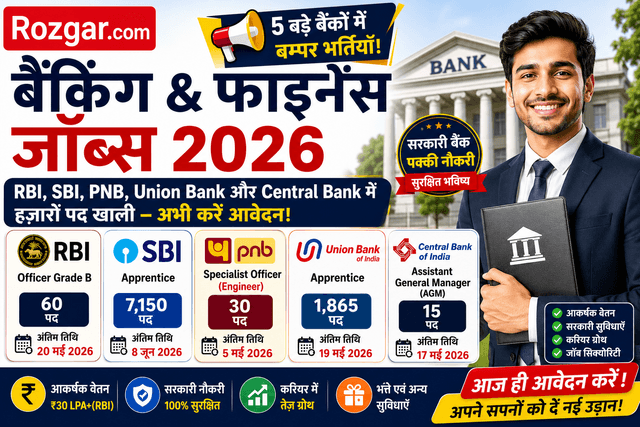
Banking & Finance Jobs 2026 ...
Jobs 2026 – RBI, SBI, PNB, Union Bank और Central Bank में बड़ी भर्तियाँ
RBI, SBI, PNB, Union Bank of IndiaऔरCentral Bank of India— इन पाँचों में मिलाकर हज़ारों पद खाली हैं। Assistant General Manager से लेक...
read more Ayush Yadav 04 Jun, 2026
हरियाणा सरकार का बड़ा फैसला:...
हरियाणा सरकार ने युवाओं के भविष्य को मजबूत करने की दिशा में एक बड़ा और अहम फैसला लिया है। राज्य कैबिनेट ने पूर्व अग्निवीरों (Ex-Agniveers) को सरकारी नौकरियों में आरक्षण देने का ऐलान किया है। यह फैसला न केवल अग्निवीर योजना के तहत सेवा दे चुके युवाओ...
read more Yogesh Singh 10 Apr, 2026राजस्थान में नौकरियों की बहा...
राजस्थान में सरकारी नौकरी की तैयारी कर रहे युवाओं के लिए साल 2026 बेहद खास साबित हो रहा है। राज्य सरकार ने बड़े स्तर पर भर्तियों का ऐलान किया है, जिससे लाखों उम्मीदवारों को रोजगार के नए अवसर मिलने वाले हैं।
क्या है लेटेस्ट जॉब अपडेट...
read more Yogesh Singh 08 Apr, 2026